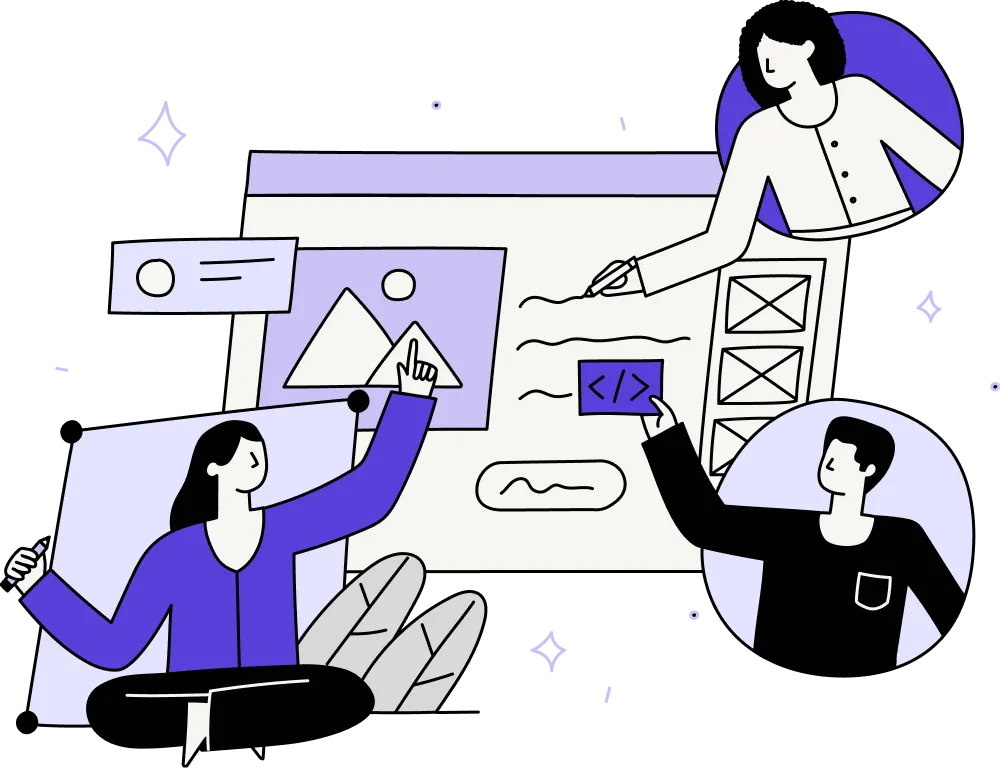
Why product design isn't just a "nice to have"

.png)
Product design is sometimes misunderstood. To some, design is still seen as a visual layer. Something that makes a product look good once the “real” decisions have been made by product and engineering.
Product design is sometimes misunderstood. To some, design is still seen as a visual layer. Something that makes a product look good once the “real” decisions have been made by product and engineering.
And that’s where the problem starts.
Because design isn’t just about how something looks.
It’s about how something works.
Why design is misunderstood
In product teams, product and engineering often take the lead.
They define what gets built, how it works, and when it gets delivered. Design is then brought in to shape the interface, refine the experience, and make things feel more polished.
On the surface, that structure makes sense. But it positions design too late in the process. And when that happens, its role is reduced. Instead of shaping the problem and influencing direction, design becomes focused on execution.
At the heart of this is a simple misunderstanding. People think design is about visuals. In reality, it’s about problem solving. It’s about understanding what users need, how they behave, where they struggle, and how a product can support them more effectively. It’s about making decisions.
The cost of bringing in design too late
Issues may be created in the product - unclear flows, unnecessary complexity, features that don’t quite solve the right problem. So what happens? Either the issues are worked around, or they’re pushed down the line.
One of the most common outcomes of not investing in design early is rework. Not small tweaks, but meaningful changes to how the product behaves. Because the problem wasn’t properly defined in the first place.
What looked like progress initially often turns into:
- revisiting features
- rethinking flows
- rebuilding parts of the product
And by that point, it’s always more expensive. You’re not saving time. You’re deferring the problem.
That deferred cost has a name: design debt — and it only gets more expensive the longer it's left unaddressed.
When people realise design is important
Design often becomes visible when something isn’t working.
You start to hear:
- “it’s hard to use”
- “it’s not intuitive”
- “users aren’t adopting it”
Adoption drops. Engagement falls. Customers don’t renew.
And suddenly, the focus shifts back to the experience. At that point, design is no longer a “nice to have”. It’s critical. But the challenge is that it’s being addressed reactively, rather than built in from the start.
The problem to the business is a commercial one.
When design is undervalued:
- products are harder to use
- adoption is lower
- retention suffers
- revenue is impacted
And the cost of fixing it later is always higher than getting it right earlier.
What good looks like
The businesses that get this right don’t treat design as a final step. They bring it into the process early.
Design is involved in:
- defining the problem
- shaping the direction
- exploring solutions before they’re built
It becomes part of decision-making, not just execution.
Design isn’t decoration. It’s how product decisions get made. It’s how you ensure what you’re building actually works for the people using it.
And when it’s used properly, it reduces risk, improves outcomes, and saves time in the long run.
Wondering when to bring design into the process?
We help businesses bring design thinking into the decisions that shape products, so you can avoid rework and build things that actually work.
👉 Book a call with our team to talk about how we can help.
Are you wondering...
Product design helps define the problem, shape how a product works, and ensure it meets user needs. It’s not just about visuals, it’s about making decisions that improve usability, adoption, and overall product success.
The most common outcome is rework. Features may be built without fully understanding the problem, leading to changes later that are more complex and costly to fix.
No. While visual design is part of it, the core of product design is understanding user behaviour, solving problems, and shaping how a product works in practice.
As early as possible. Design should be involved in defining the problem and exploring solutions before development begins, not just refining the final output.
By involving design in decision-making, not just execution. This means using design thinking to define problems, test ideas early, and align teams around user needs and business goals.
More insights
PM, designer or product builder? How AI is reshaping product team roles
Need help delivering at pace whilst maintaining product integrity?
We help B2B product teams rebalance pace and purpose — designing workflows where speed serves strategy instead of undermining it. Book a call to talk about how we can help you deliver your product's vision.