What is a product moat and how do you build one?

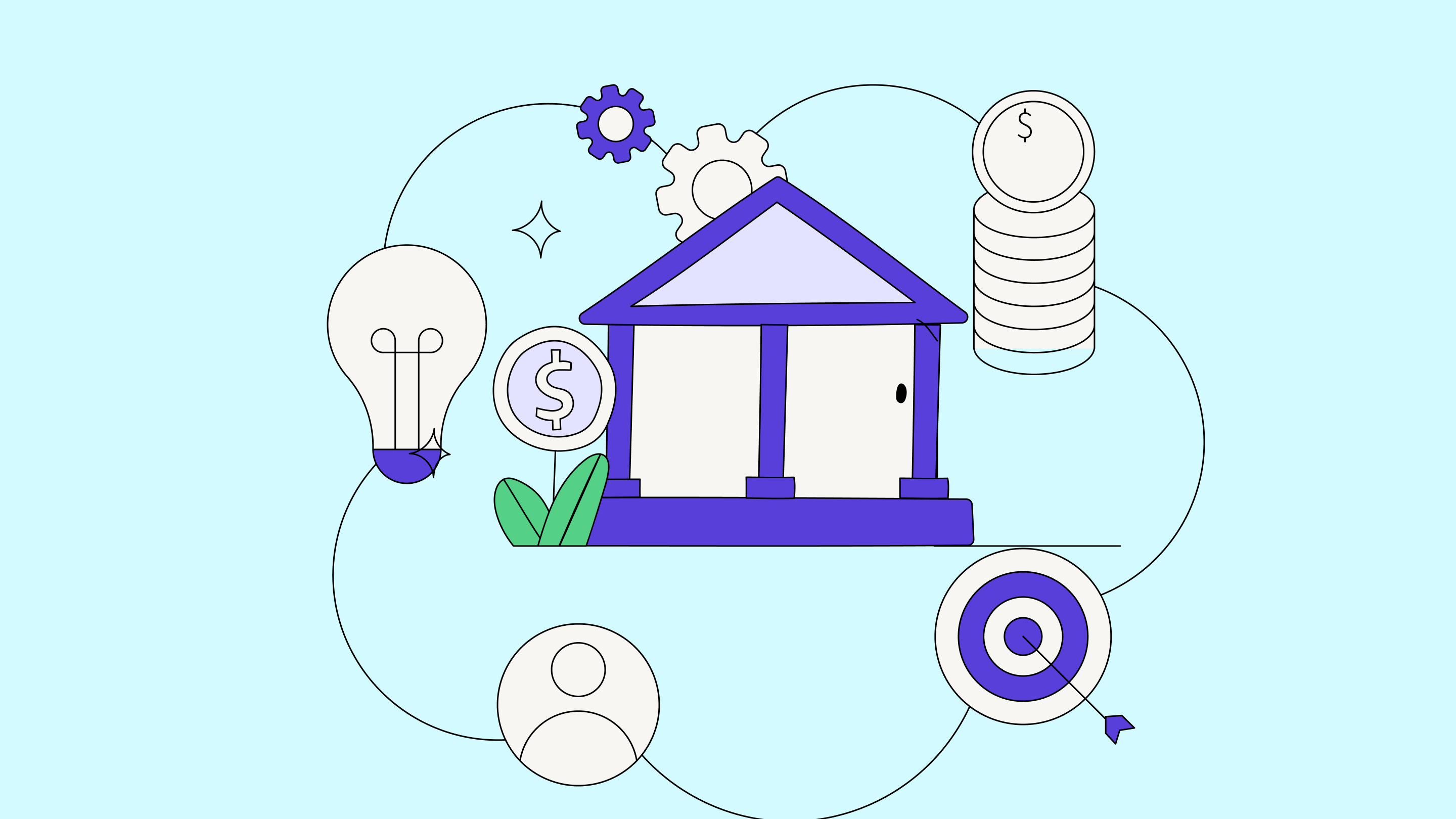
But moats are often misunderstood. They’re usually thought of as features. Something unique that competitors don’t have. A piece of functionality that creates separation. In reality, that’s rarely enough.
A product moat is what makes your product difficult to compete with. It’s the advantage that keeps customers choosing your product over others, even when alternatives exist. In many cases, it’s what protects long-term growth.
But moats are often misunderstood. They’re usually thought of as features. Something unique that competitors don’t have. A piece of functionality that creates separation. In reality, that’s rarely enough.
What a product moat actually is
A product moat is not a single feature. It’s the combination of things that make your product valuable, usable, and hard to replace.
It can come from:
- how well the product solves a real problem
- how easy it is to use
- how embedded it becomes in a user’s workflow
- how consistently it delivers value over time
In other words, it’s not just what your product does. It’s how it works in practice.
Why features alone don’t create a moat
Features can be copied. Even complex ones.
If a product’s advantage is based purely on functionality, competitors will eventually catch up. In fast-moving markets, that gap can close quickly.
What’s harder to replicate is experience. How intuitive the product feels. How clearly it solves the problem. How well it fits into the way users already work. It's also about distribution and reach. Those things are built over time, through better decisions, not just more features.
How product design contributes to a moat
We saw this first-hand with Automata, where defining a clear product vision for a complex automation platform meant the product didn't just work — it became the way the team's customers thought about the category.
When design is used properly, it creates products that:
- are easier to adopt
- deliver value more quickly
- become part of everyday workflows
That makes them harder to replace. Not because competitors can’t copy them, but because users don’t want to switch.
What strong product moats look like in practice
In practice, a strong product moat doesn’t always stand out as one big thing. It shows up in how the product feels to use. Users don’t need to think too much about how it works. They trust it. It fits naturally into their day-to-day tasks. It consistently delivers value. Over time, that creates loyalty. And that’s what makes a product difficult to compete with.
How to build a product moat
Building a moat isn’t about adding more. It’s about making better decisions over time.
That means:
- focusing on real user problems
- creating clarity in how the product works
- reducing friction in key workflows
- continuously improving based on feedback
It also means resisting the urge to chase features for the sake of it. Because a product that tries to do everything rarely does anything particularly well.
A better way to think about moats
A moat isn’t something you build once. It’s something you strengthen over time.
Through consistent, well-informed decisions about what to build, how it works, and how it delivers value.
It’s not just about staying ahead. It’s about becoming the obvious choice.
Looking to create a product that stands out and keeps customers coming back?
We help businesses shape products around real user needs, so you can build lasting competitive advantage.
👉 Book a call with our team to talk about how we can help.
Are you wondering...
A product moat is a competitive advantage that makes your product difficult to replace. It’s what keeps customers choosing your product over alternatives over time.
A strong product moat comes from how well a product solves real problems, how easy it is to use, and how embedded it becomes in a user’s workflow. It’s usually a combination of factors rather than one feature.
Product moats protect long-term growth. They help retain customers, reduce churn, and make it harder for competitors to win market share.
Signs include strong user retention, consistent engagement, and customers choosing your product even when alternatives are available.
More insights
PM, designer or product builder? How AI is reshaping product team roles

Need help delivering at pace whilst maintaining product integrity?
We help B2B product teams rebalance pace and purpose — designing workflows where speed serves strategy instead of undermining it. Book a call to talk about how we can help you deliver your product's vision.