The hidden cost of speed: what teams lose when everything’s urgent


When “go faster” becomes the mantra, product teams stop thinking deeply. Here’s why urgency culture quietly kills value, and how to fix it without losing momentum.
The illusion of progress
Few things feel better than momentum. Deadlines met, features shipped, MS Teams pinging - it’s the rhythm of progress we’ve all learned to chase.
But somewhere along the way, that rhythm became the goal itself. Every project feels “critical.” Every week a sprint. Reflection time quietly disappears.
In Atlassian’s State of Teams Report 2024, over half of knowledge workers said their team operates in “constant urgency mode.” Nearly half believe it’s harming creativity and clarity.
Speed looks good on dashboards. But it hides something dangerous: decisions made too quickly to be questioned.
Why urgency feels good (and why it’s dangerous)
Psychologically, urgency feels rewarding. The brain loves the short-term satisfaction of progress.
The goal-gradient effect explains it: as we get closer to finishing a task, motivation spikes — even if quality drops. It’s why teams rush the end of sprints, chasing the dopamine hit of delivery rather than reflection.
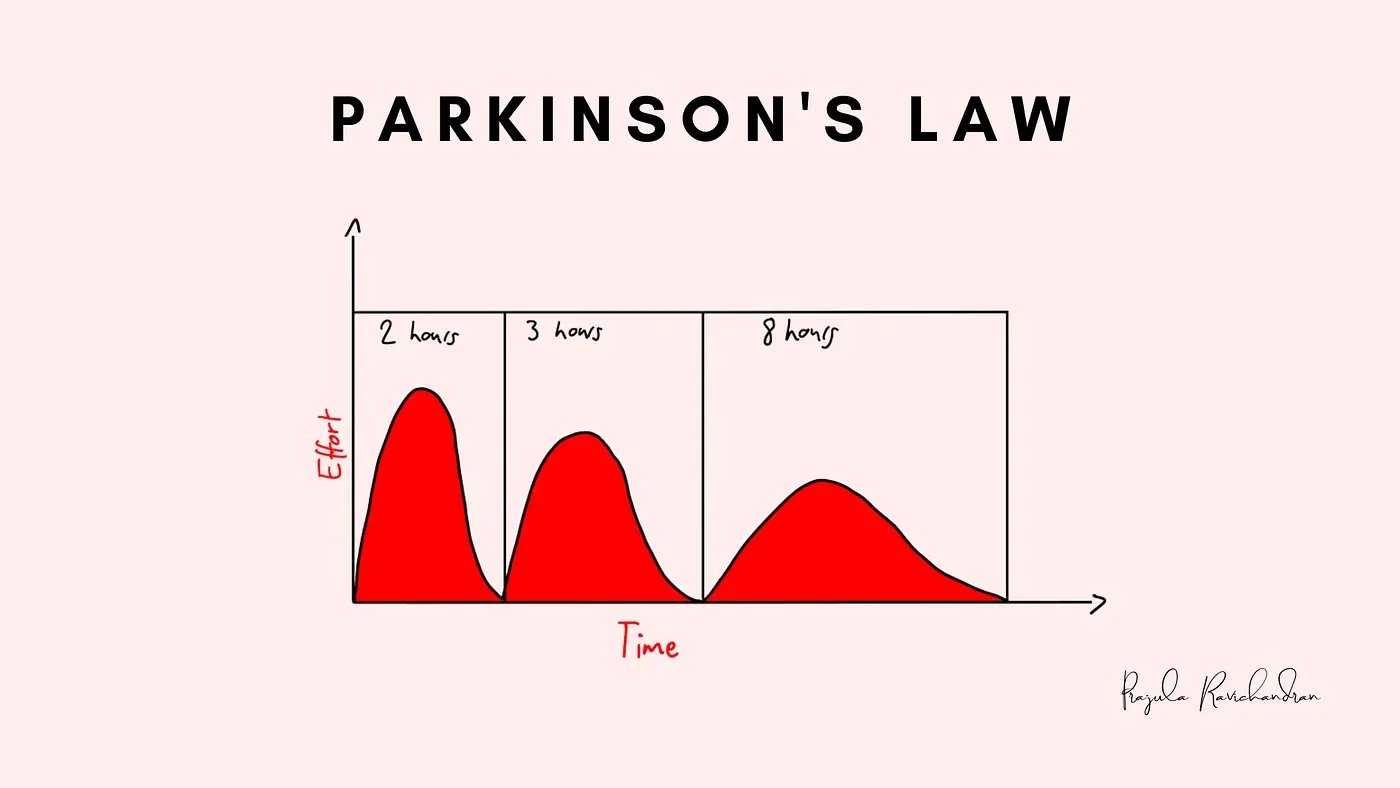
Then there’s Parkinson’s Law — the idea that “work expands to fill the time available.” Compress the time, and we compress our thinking too.
And under pressure, cognitive load theory tells us that complex reasoning gives way to shortcuts.
When everything is urgent, we stop exploring options and start executing assumptions.
Urgency feels productive — but it quietly rewires how we make decisions. Teams optimise for speed, not learning. For motion, not meaning.
The hidden costs of moving too fast
We see the same symptoms across product teams:
- Discovery disappears.
User validation becomes optional. Decisions happen on hunches. The result? More rework and wasted cycles later. - Trust erodes.
People stop pushing back because challenge sounds like delay. Urgency wins over curiosity. - Decision fatigue sets in.
Constant micro-decisions drain cognitive energy. As Harvard Business Review notes, “rushed decisions compound mistakes.” - Creativity flatlines.
When every hour feels like a deadline, teams default to safe ideas.
It’s not just burnout, it’s mediocrity at scale.
We’ve seen it across B2B teams: the roadmap looks full, but no one can explain why half of it exists. And that’s the real cost of speed - clarity sacrificed to constant motion.
As we wrote in Roadmap planning best practice, “planning is about clarity, not just scheduling.” Urgency breaks that connection.
How to move fast and think deeply
You can’t fix urgency culture with another framework. But you can design a healthier pace.
Here’s where to start:
- Name the urgency. In planning sessions, ask: Is this truly urgent, or just emotionally urgent? Even naming it helps teams slow their thinking.
- Create space. Protect small blocks of unallocated time for analysis or exploration. Research shows that structured reflection increases job performance — it’s a performance enhancer, not a delay.
- Reframe success. Measure progress by impact - user adoption, decision quality, learning velocity - not just release count.
- Reward reflection. Praise people who pause to ask better questions. It signals that thoughtfulness counts.
- Normalise slow starts. The best projects start slower and end cleaner. Early friction prevents late chaos.
Urgency has its place - in crisis, in launch windows, in recovery. But when it becomes the norm, quality becomes the casualty.
Leadership’s role: slowing down is a strategic act
Leaders often believe their job is to remove blockers. But if you remove all friction, you also remove reflection.
Constant urgency signals to teams that speed matters more than understanding. That belief is contagious — and corrosive.
Leadership’s real role is to set tempo: to model calm prioritisation, create space for thinking, and make long-term goals louder than short-term noise.
As we noted in Outcome over output: how to help teams think like product leaders, “teams don’t need more speed — they need clearer direction.”
The strongest leaders know when to accelerate — and when to pause.
Are you wondering...
Because urgency short-circuits reflection. When everything feels high priority, teams skip discovery, make reactive decisions, and stop challenging assumptions. Over time, that erodes creativity, trust, and product quality.
By focusing on clarity instead of speed. Clear goals, transparent decision-making, and defined priorities let teams move faster in the right direction. Setting boundaries - like “no meeting” focus blocks or reflection time — signals that thinking deeply is part of delivery, not a delay.
You’ll often hear phrases like “We don’t have time to think,” or “We’ll fix it later.” Discovery and validation vanish, retros become rushed, and the roadmap changes weekly. These are indicators that urgency has replaced strategy.
Introduce small “friction points” that force reflection - like pre-mortems, lightweight user validation, or asynchronous feedback before roadmap reviews. As we explain in Roadmap planning best practices, the goal isn’t to move slower; it’s to move with more intention.
More insights

.png)
PM, designer or product builder? How AI is reshaping product team roles
Need help delivering at pace whilst maintaining product integrity?
We help B2B product teams rebalance pace and purpose — designing workflows where speed serves strategy instead of undermining it. Book a call to talk about how we can help you deliver your product's vision.